Prepare Your Roof for Winter in Washington
How to Prepare Your Roof for Winter in Washington?
Winter in Washington can be tough on roofs. Learn HB Roofing’s expert tips to prepare your roof for snow, ice, and heavy rain — and avoid costly damage.
Washington winters bring heavy rain, moss growth, windstorms, and even snow and ice in higher elevations. Your roof is your first line of defense — but if it’s not prepared, small issues can quickly become costly emergencies.
At HB Roofing & General Construction, we’ve helped hundreds of homeowners across Seattle and surrounding areas protect their roofs from winter damage. Here’s our step-by-step guide to getting your roof ready.
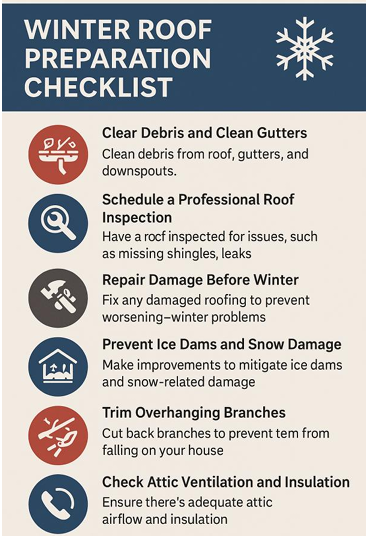
1. Clear Debris and Clean Gutters
Fallen leaves, pine needles, and moss trap moisture and clog gutters. Blocked gutters can cause water to back up under your shingles or freeze into dangerous ice dams.
- Clean gutters, downspouts, and valleys.
- Remove branches, leaves, and moss from the roof surface.
- Consider installing gutter guards for extra protection.
2. Schedule a Professional Roof Inspection
Winter isn’t the time for surprises. A fall roof inspection helps spot problems early, such as:
- Loose or missing shingles
- Cracked flashing
- Soft spots or rot in decking
- Signs of leaks or water stains in the attic.
At HB Roofing, we offer free inspections to ensure your roof is winter-ready. Click here to Request a Free Inspecion.
3. Repair Damage Before It Gets Worse
Even small issues — like a lifted shingle or tiny leak — can lead to serious water intrusion when heavy rains hit. Repairs are faster and cheaper before winter weather sets in. HB Roofing’s certified crew can handle:
- Shingle replacements
- Flashing repairs
- Gutter adjustments
- Ventilation fixes
At HB Roofing, we offer free inspections to ensure your roof is winter-ready. Click here to Request a Free Inspecion.
4. Prevent Ice Dams and Snow Damage
While Seattle sees more rain than snow, higher areas like Sammamish, Snoqualmie, and Issaquah do experience snow and ice. Ice dams form when heat escapes through the roof, melting snow that refreezes at the eaves. To reduce risk:
- Ensure proper attic insulation and ventilation.
- Keep gutters clean and drain.
- Use a roof rake to safely remove heavy snow (don’t climb on icy roofs!).
5. Trim Overhanging Branches
Snow, ice, and wind can cause branches to snap and damage your roof. Keep trees trimmed back at least 6–10 feet from your roofline.
6. Check Attic Ventilation and Insulation
A healthy roof starts from the inside. Poor ventilation traps moisture, leading to mold, rot, and ice dams. Proper insulation keeps warm air in, reducing heating costs and preventing snow melt/refreeze cycles.
7. Have a Reliable Roofer on Call
Winter storms can be unpredictable. Having a trusted, local roofing contractor on speed dial means you won’t waste time scrambling if damage occurs.
At HB Roofing, we’re here year-round for emergency repairs, inspections, and replacements.
Winter in Washington can be tough, but proactive roof care saves money, prevents leaks, and protects your home. At HB Roofing & General Construction, we provide:
- Free inspections
- Preventative repairs
- Certified installation backed by CertainTeed, Duro-Last, and Flex warranties
Don’t wait for the next storm. Request a Free Winter Roof Inspection today and make sure your home is ready.
Frequently Asked Questions
Q: Can moss damage my roof during winter?
Yes. Moss traps moisture, which can cause shingles to lift, leading to leaks and rot. Clearing moss before winter is essential for protecting your roof.
Q: How do I know if my roof is strong enough for snow?
A professional inspection is the best way to confirm your roof’s structural integrity. Metal roofs and Duro-Last flat roofing systems are especially durable and handle snow loads well.
Q: Should I install heat cables to prevent ice dams?
In some homes, heat cables can help. However, the most effective long-term solution is ensuring your attic has proper insulation and ventilation to prevent ice dam formation.
Q: What if my roof is older—should I replace it before winter?
If your roof is nearing the end of its lifespan or already showing signs of damage, replacing it before winter can help you avoid costly mid-season leaks or emergencies.
Q: Which roof adds more resale value?
Both options can increase your home’s value, but in different ways. Metal roofs often provide a stronger resale boost because of their exceptional longevity, energy efficiency, and low maintenance. However, architectural shingles also remain highly attractive to buyers, offering great curb appeal at a lower upfront cost. The best choice depends on your budget, home style, and long-term plans. Our team at HB Roofing can walk you through both options to help you choose the one that adds the most value for your home.